
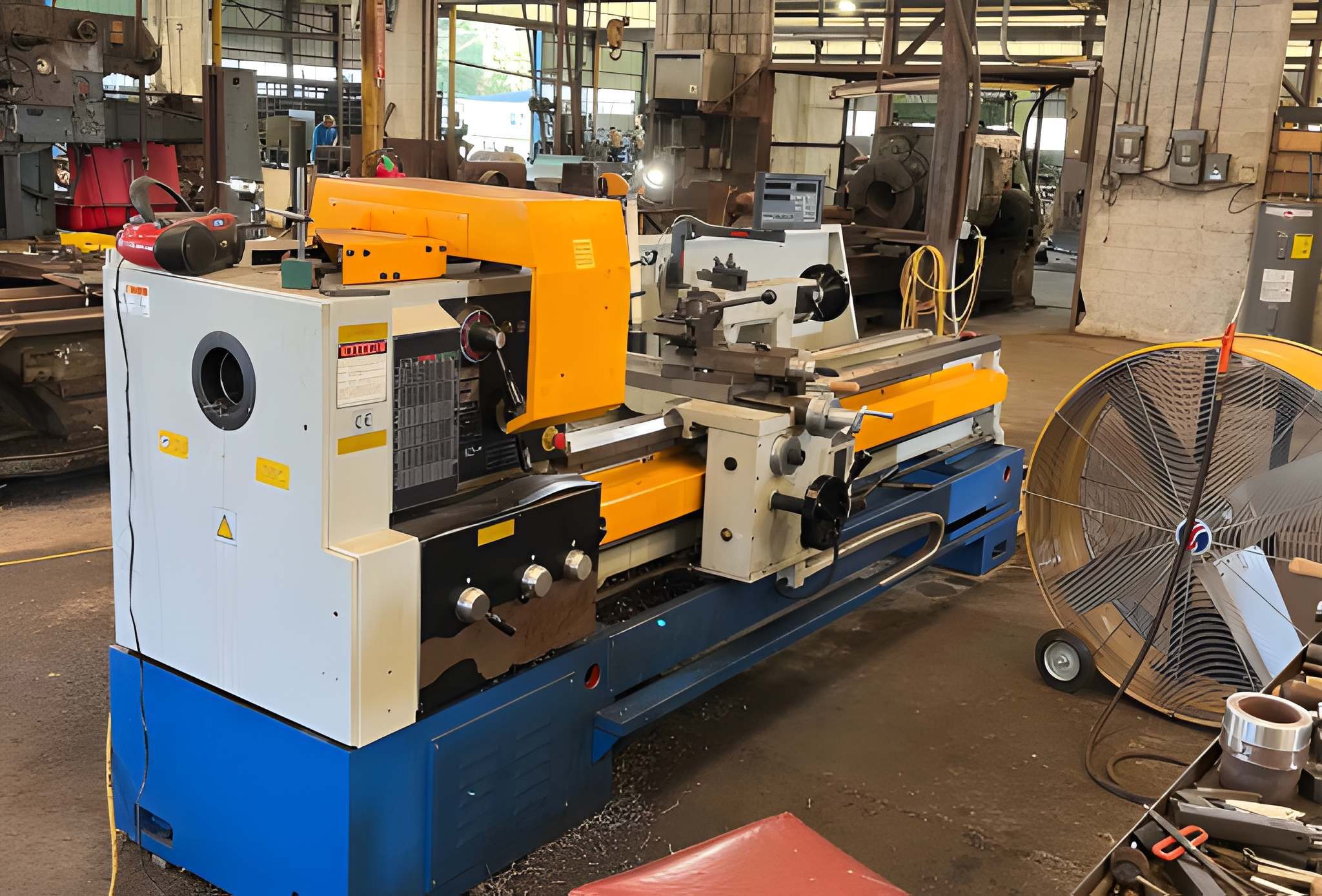

Our advanced machine shop utilizes state-of-the-art manufacturing technology to lower production costs without sacrificing accuracy. From custom prototyping to full-scale production runs, our experienced engineering team delivers reliable, cost-effective CNC manufacturing solutions.
CNC Machine Shop Services
Backed by decades of industry expertise, our advanced machine shop specializes in turning complex concepts into high-accuracy finished products. Whether you need rapid industrial prototyping, precision milling, or custom component fabrication, we maintain strict quality control and unmatched accuracy for every project.
Looking for a reliable CNC Machine Shop in Eunice, LA?
H. Brown, Inc. delivers high-quality, cost-effective precision CNC machining and custom manufacturing solutions. Our CNC Machine Shop is located at 120 N Mallet St. Eunice, LA, 70535. For more information about our CNC Machine Shop services, please call: 337-457-8132. Or, click on the contact button below.
Frequently Asked Questions
Choosing the right machine facility often comes with questions, especially when quality, precision, and turnaround times matter. Below are clear, straightforward answers to the most common concerns clients have when considering machining services in Eunice, LA.
A professional Machine Shop in Eunice, LA, typically offers a wide range of services, including CNC machining, custom part fabrication, prototyping, repair work, and precision cutting. These services support both small custom jobs and large production runs. With advanced equipment and skilled machinists, clients can expect accurate, high-quality components tailored to exact specifications and industry standards.
A trusted machine facility in the Eunice area often supports industries such as oil and gas, construction, agriculture, manufacturing, and transportation. These sectors rely heavily on precision parts and durable components. By working with experienced machinists, businesses ensure their equipment runs efficiently and safely, minimizing downtime and maintaining productivity across demanding applications.
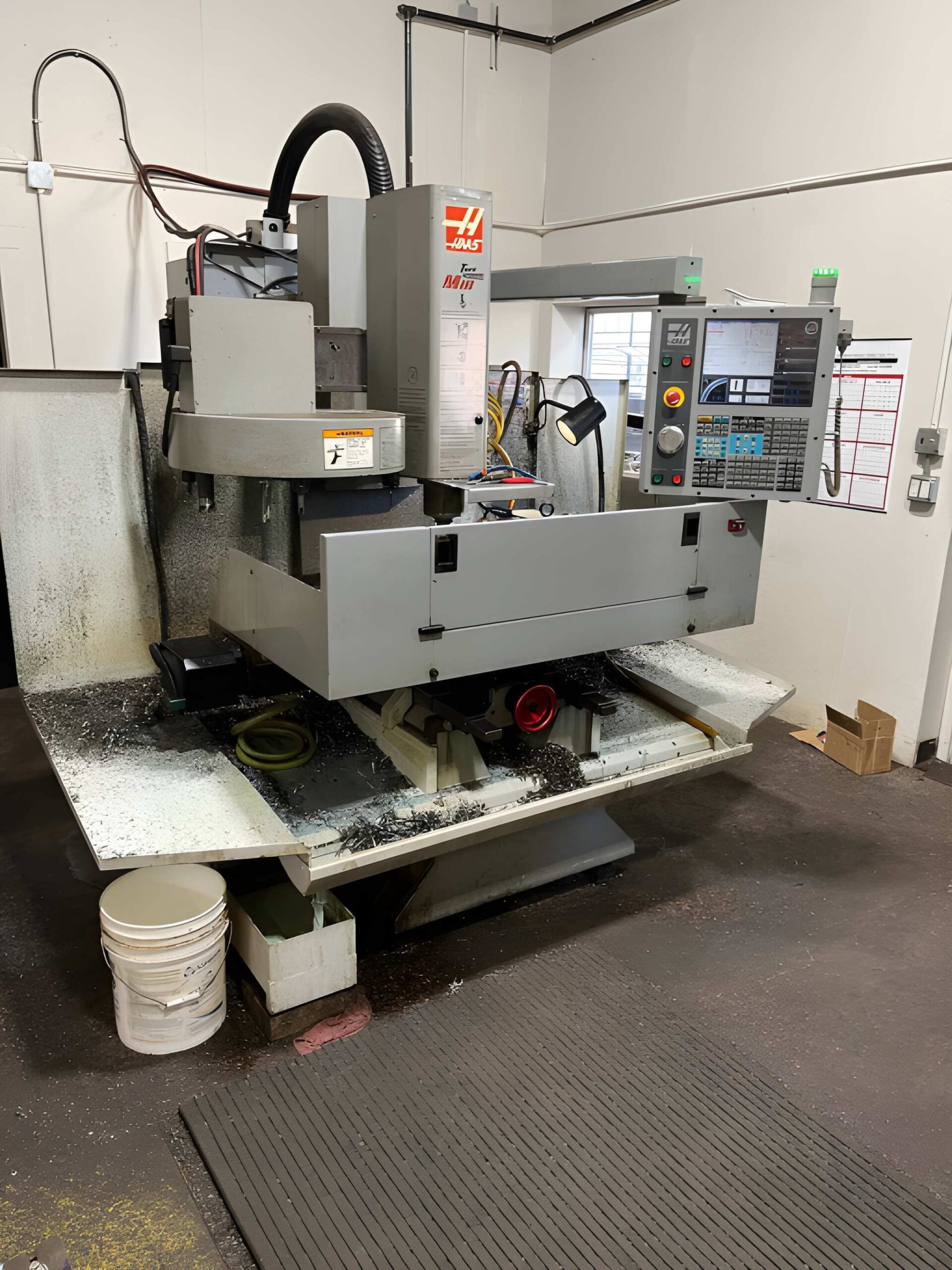
Most modern shops provide several types of CNC machining, including milling, turning, drilling, and grinding. Each method serves a specific purpose depending on the design and material requirements. CNC technology allows for high precision, repeatability, and efficiency, making it ideal for both prototypes and full-scale production runs that require consistent quality.
Selecting the right shop involves evaluating experience, equipment capabilities, turnaround time, and customer service. Clients should look for a shop with a proven track record of delivering precise results and handling complex projects. Transparent communication and a willingness to understand project goals are also key factors when making a confident, informed decision..
A reputable shop can work with a wide variety of materials, including metals like aluminum, steel, and stainless steel, as well as plastics and specialty alloys. The choice of material depends on the project’s purpose, durability requirements, and environmental conditions. Skilled machinists help clients select the best material to ensure optimal performance and longevity.
Project timelines at a shop depend on the complexity, size, and quantity of the parts required. Simple components may be completed quickly, while custom or large-scale jobs may take longer. Reliable shops provide clear timelines upfront and maintain communication throughout the process to ensure expectations are met without unnecessary delays.
Yes, an experienced shop often assists with custom designs and prototyping. This is especially valuable for clients developing new products or testing concepts. By combining technical expertise with advanced CNC equipment, machinists can turn ideas into functional prototypes, allowing for adjustments before moving into full production.
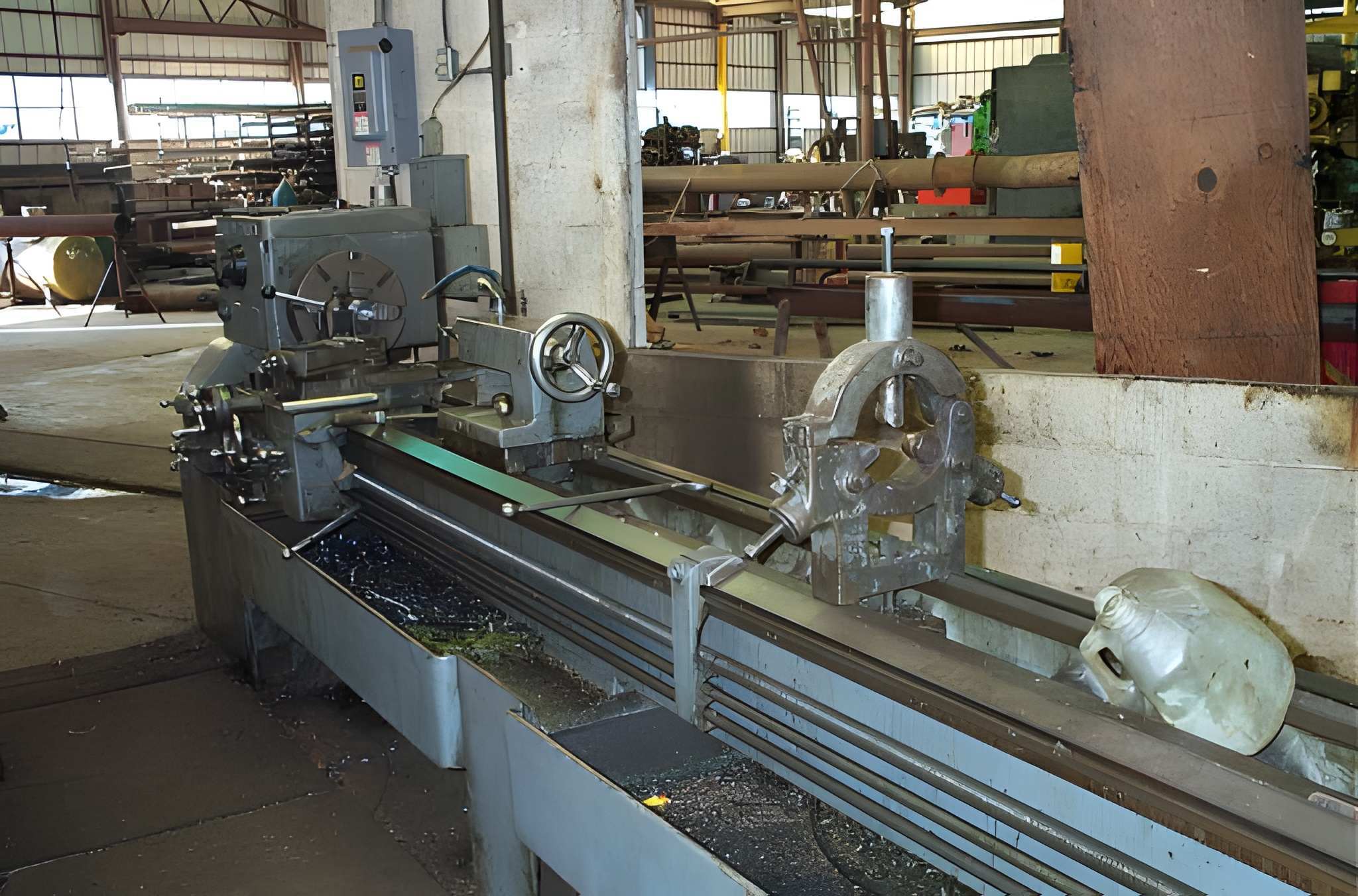
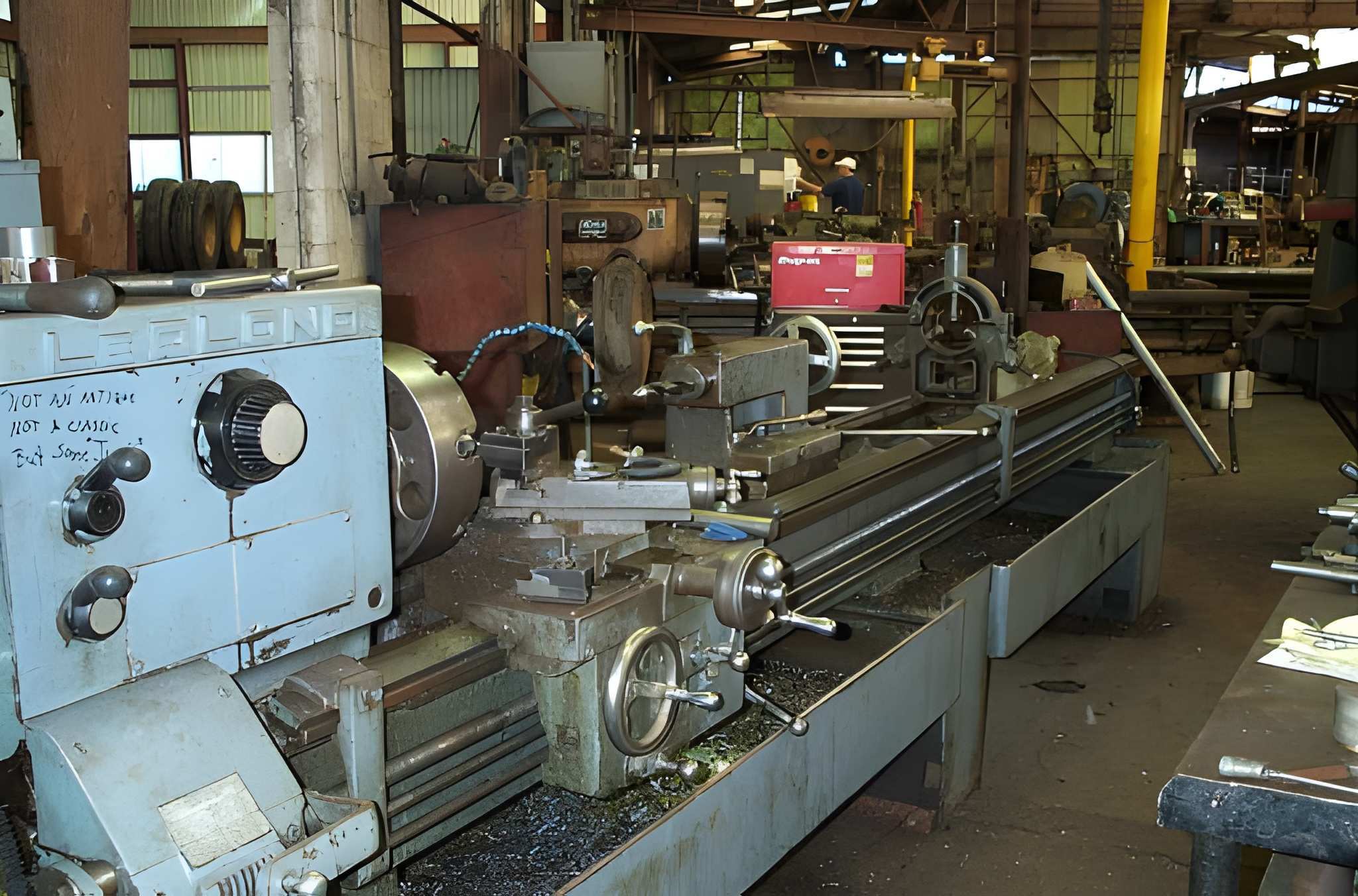
CNC machining in a shop uses computer-controlled equipment to produce highly precise and consistent parts, while manual machining relies on operator skill for control. CNC is ideal for complex designs and repeat production, whereas manual machining may be used for simpler or one-off tasks. Both methods have their place, depending on project needs.
A professional shop maintains strict quality control processes, including detailed measurements, inspections, and testing throughout production. Advanced machinery and skilled technicians ensure every part meets exact specifications. Consistency, accuracy, and attention to detail are essential to delivering reliable results that perform as expected in real-world applications.